
تمارين إطالة قد تتعلمها خلال جلسات العلاج الطبيعي في القاهرة
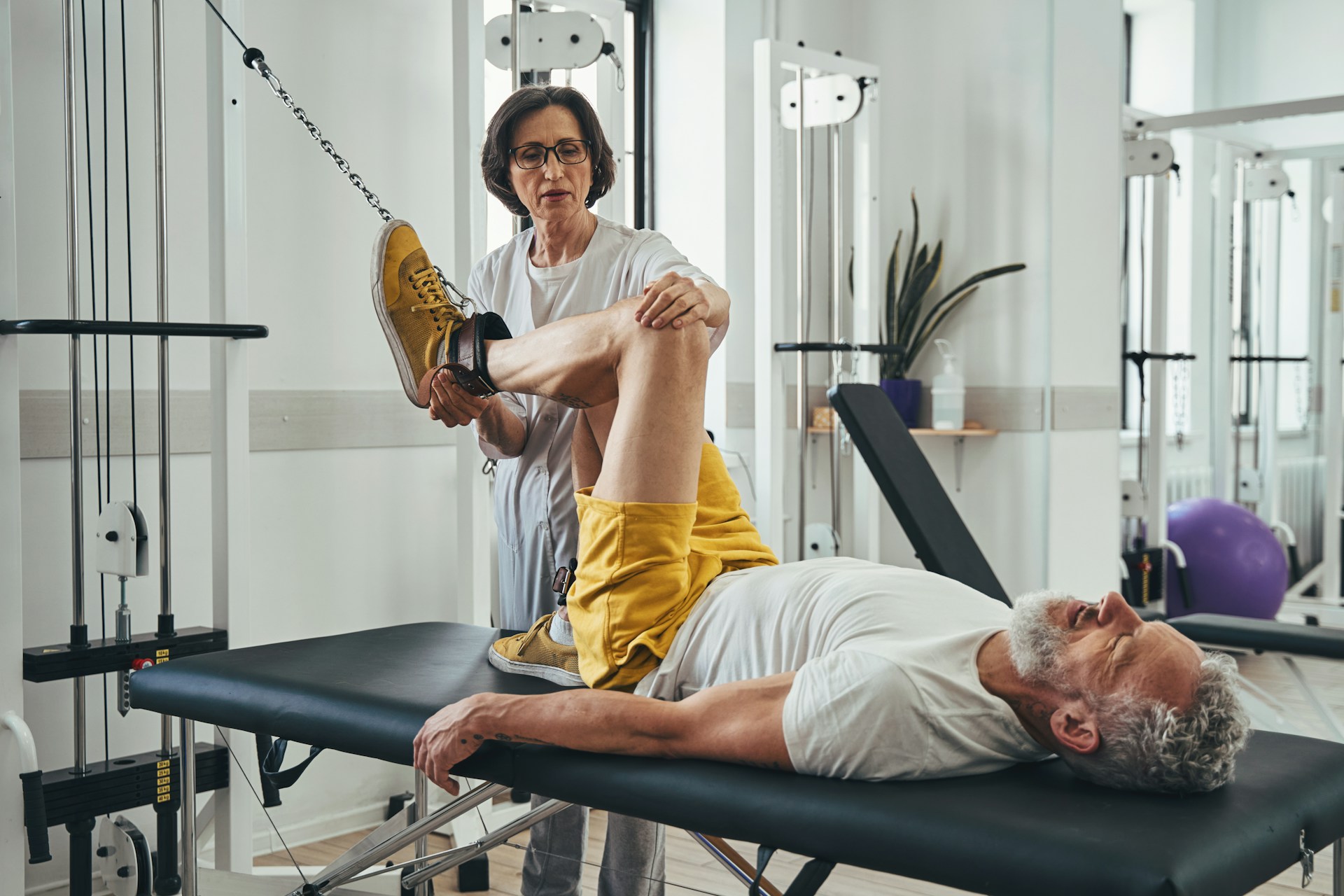
عندما يفكر معظم الناس في العلاج الطبيعي في القاهرة، يتخيلون أجهزة التمرين وممارسة المشي بانتظام. لكن تمارين الإطالة أكثر شيوعاً مما يتوقعه الكثيرون، وغالباً ما تكون هي نقطة البداية لاستعادة الحركة الطبيعية. سواء كان الشخص يتعافى من إجهاد عضلي، أو يتماثل للشفاء بعد جراحة، أو يتعامل مع آلام مزمنة، فإن تمارين الإطالة تكون عادةً جزءاً من الخطة العلاجية.
تجعل فصول الصيف الطويلة والحارة في القاهرة الناس أكثر ميلاً للبقاء في الداخل وتقليل الحركة. هذا التوقف قد يؤدي إلى تيبس الجسم، مما يجعل الروتين اليومي أكثر صعوبة مما ينبغي. ومع ذلك، فبمساعدة المختصين، لا تقتصر فائدة تمارين الإطالة على تليين الجسم فحسب، بل تمنح الناس وسيلة لاستعادة التواصل مع كيفية تحركهم. يتغير نوع الإطالة التي يقوم بها الشخص خلال الجلسة بناءً على شعوره، وما يعمل على تحسينه، وأهدافه الشخصية.
أنواع تمارين الإطالة التي قد تخضع لها
لا تشعر بجميع تمارين الإطالة بنفس الطريقة لأن الأجسام لا تحتاج إلى نفس الأشياء. بعض تمارين الإطالة تتم أثناء الاستلقاء، وبعضها أثناء الوقوف، وبعضها الآخر أثناء الحركة البطيئة. كل نوع يخدم غرضاً محدداً، ومن الأنواع الشائعة:
- الإطالة السلبية، حيث يقوم المعالج بتثبيت وضعية الإطالة نيابة عنك. وهذا مفيد عندما يكون المفصل أو العضلة ضعيفاً جداً بحيث لا يمكنه الحفاظ على الوضعية بمفرده.
- الإطالة النشطة، حيث تكون أنت من يقوم بتثبيت الإطالة أو التحرك نحوها. قد يتضمن ذلك استخدام قوتك الذاتية، مثل الجلوس بوضعية مستقيمة والوصول للأمام أو رفع الساق أثناء الاستلقاء.
- الإطالة الديناميكية، حيث تكون الحركات بطيئة ومنتظمة. قد تقوم بأرجحة ساقيك برفق أو التحرك بحركة متكررة، مثل الاندفاع في مكانك أو رفع ذراعيك للأعلى وللأسفل. يُستخدم هذا النوع غالباً كإحماء أو تحضير لطيف لمزيد من التمارين لاحقاً.
يُستخدم كل أسلوب لأسباب مختلفة. فالإطالة السلبية شائعة في بداية التعافي أو بعد فترات الراحة الطويلة. بينما تبني الإطالة النشطة مزيداً من التحكم، وتساعد الحركة الديناميكية على تليين الجسم عندما يكون الشخص مستعداً لحركة أكثر انسيابية.
مناطق الجسم التي يتم استهدافها عادةً في العلاج
غالباً ما يجد سكان القاهرة أنفسهم جالسين لفترات أطول خلال الأشهر الأكثر حرارة. وسواء كان ذلك بسبب العمل من المنزل مع إغلاق النوافذ أو البقاء ساكناً لتجنب الحر، فإن هذا السكون يؤثر على الجسم. نحن نركز غالباً على هذه المناطق الشائعة:
- الرقبة والكتفين، خاصة عندما تتوتر العضلات بسبب قضاء وقت طويل أمام الشاشات أو الاستلقاء في السرير.
- أسفل الظهر والوركين، اللذان يتعرضان لكثير من الانزعاج أثناء القيلولة، أو ركوب السيارة لفترات طويلة، أو الراحة الممتدة.
- الكاحلان والركبتان، حيث يفقد الناس ثباتهم أثناء المشي أو الحركة بعد فترات من الخمول.
لا تقتصر فائدة إطالة هذه الأجزاء على الشعور بالراحة فحسب، بل إنها تدعم التوازن والقوة والراحة أثناء الوقوف أو المشي. على سبيل المثال، يمكن أن تؤدي تشنجات الورك إلى تغيير طريقة مشي الشخص، كما يمكن أن تؤثر آلام الكتفين على حركة الذراع عند محاولة استعادة التوازن.
كيف تساعدك تمارين الإطالة على التعافي والتحرك بشكل أفضل
تمارين الإطالة عمل هادئ، لكنها تجعل الحركات اليومية الصغيرة تبدو أسهل. الأمر لا يتعلق بتجاوز الحدود، بل بإعادة التواصل مع مساحات الجسم التي قد تسلل إليها التيبس. عند القيام بها بتوجيه منتظم، يمكن لتمارين الإطالة أن:
- تقلل من الألم عند القيام بالحركات اليومية مثل الانحناء أو الوصول للأشياء.
- تحسن تدفق الدم وتساعد في تسريع عملية الشفاء أو جعلها أكثر اكتمالاً.
- تليين العضلات التي ظلت مشدودة بعد الراحة أو الجراحة.
يعتقد العديد من المرضى أن تمارين الإطالة مجرد إحماء، لكنها في الواقع يمكن أن تكون جزءاً مباشراً من التعافي. إذا كان لدى شخص ما التواء في الركبة، فإن تمارين الثني اللطيفة تعلم الأنسجة كيفية التحرك مرة أخرى دون خوف. وبالنسبة لتوتر الرقبة والكتفين، تساعد تمارين الوضعية الموجهة في تصحيح العادات الصغيرة التي تسبب الألم في المقام الأول.
نحن لا نضغط على الجسم أثناء الألم، بل نعدل الزوايا وفترات الثبات والقوة بناءً على استجابة الجسم اللحظية. ولهذا السبب، من الضروري العمل عن كثب مع معالج متخصص يدرك هذه الاستجابات.
في مركز الندى للعلاج الطبيعي، نقدم تمارين الإطالة تحت إشراف المعالج كجزء من خطط التأهيل الفردية لحالات العظام والأعصاب وصحة المرأة. يتم تعديل هذه التمارين لتناسب مناخ القاهرة الصيفي، ومستوى نشاطك، وأهدافك العلاجية الخاصة، كما هو موضح في صفحة خدماتنا.
تمارين الإطالة في مناخ القاهرة: ما يجب أن تعرفه
لا يغير حر القاهرة إيقاع الحياة اليومية فحسب، بل يؤثر أيضاً على كيفية استجابة الجسم للحركة. غالباً ما تبدو العضلات أكثر مرونة في الجو الدافئ، وهو ما قد يبدو أمراً جيداً في البداية، لكن عندما يكون الجسم دافئاً بالفعل، يصبح من السهل التمادي في الإطالة دون إدراك أنك تجاوزت الحد المطلوب. لهذا السبب نلتزم بالحركات اللطيفة ونتجنب الشد المفاجئ.
للحفاظ على راحتك أثناء ممارسة الإطالة في هذا المناخ، نوصي عادةً بما يلي:
- الحفاظ على برودة الغرفة وتهويتها جيداً باستخدام مروحة أو تيار هواء متجدد
- ممارسة الإطالة في الصباح الباكر أو في وقت متأخر من المساء، بعيداً عن حرارة الشمس المباشرة
- شرب كمية كافية من الماء قبل وبعد جلسات الحركة، حتى لو كانت حركات خفيفة
- أخذ فترات راحة بين تمارين الإطالة، خاصة لمن يتعافون من إصابة أو مرض
حتى في الأماكن المغلقة، من السهل المبالغة في التمرين. دفء الجسم لا يعني بالضرورة جاهزيته، لذا نشجع الجميع على البدء بتدرج والاستماع دائماً لاستجابة أجسامهم.
ماذا تتوقع خلال جلسات الإطالة الأولى
في الجلسات الأولى، هدفنا الوحيد هو مراقبة كيفية تحرك جسمك دون ضغط. نقوم بفحص وضعية جسمك، والسؤال عن أماكن الألم، وملاحظة ما إذا كانت بعض المفاصل متيبسة أو حساسة. الهدف ليس إطالة كل شيء، بل معرفة الأجزاء التي تحتاج إلى دعم وتلك المستعدة لمزيد من العمل.
تكون تمارين الإطالة في البداية بسيطة وبطيئة، ونستخدم فيها حركات مثل:
- لف الكتفين بدعم
- الانحناء للأمام بوضعية الجلوس
- لف الكاحلين بحركات سهلة
- مد الساقين مع التوقف عند أول علامة مقاومة
لست مضطراً أبداً للاستمرار إذا شعرت بعدم الارتياح. نحن نتواصل أثناء الحركة لتخبرنا بما تشعر أنه مفيد وما لا يناسبك. هذه التغذية الراجعة الفورية تضمن سلامة التمرين وتركيزه.
لا توجد أهداف محددة يجب تحقيقها أو جدول زمني صارم. بدلاً من ذلك، نتحرك بناءً على راحتك، وأهداف تعافيك، وكيفية استجابة جسمك في كل مرة.
حركة لطيفة، تغيير حقيقي
قد تبدو تمارين الإطالة بسيطة، لكنها بالنسبة للكثيرين هي بداية رحلة التعافي. فهي تمنح الجسم فرصة لاستعادة توازنه، وإيجاد مساحة جديدة في المناطق التي كانت تشعر بالشد أو الألم. ومع مرور الوقت، تؤدي هذه التغييرات التدريجية إلى خطوات أكثر قوة، ومدى حركي أوسع، وتحكم أفضل.
نحن ننظر إلى تمارين الإطالة كأداة مساعدة، لا كعلاج سحري. فهي جزء من منظومة متكاملة تشمل الراحة، والوعي الجسدي، وإعادة البناء التدريجي. يحدث التقدم الحقيقي عندما تتوقف الحركات عن كونها مجهدة وتصبح مألوفة مرة أخرى. عندها يدرك الأشخاص أنهم يستعيدون حريتهم في الحركة، وهذا هو جوهر ما نسعى إليه.
في مركز الندى للعلاج الطبيعي، نرافقك بخطوات ثابتة، لنربط بين الحركة والراحة. سواء كنت تستعيد نشاطك بعد إصابة أو ترغب في تعزيز ثقتك في قدرات جسدك، فإن الدعم المناسب يصنع فارقاً حقيقياً. يرتكز نهجنا على أهدافك، وراحتك، وما يشعرك بالتحسن في كل خطوة. اكتشف كيف نساعدك في رحلة التعافي من خلال العلاج الطبيعي في القاهرة وتواصل معنا لتبدأ رحلتك نحو التعافي بثقة.