
Physiotherapy Services in Egypt for Evening Soreness
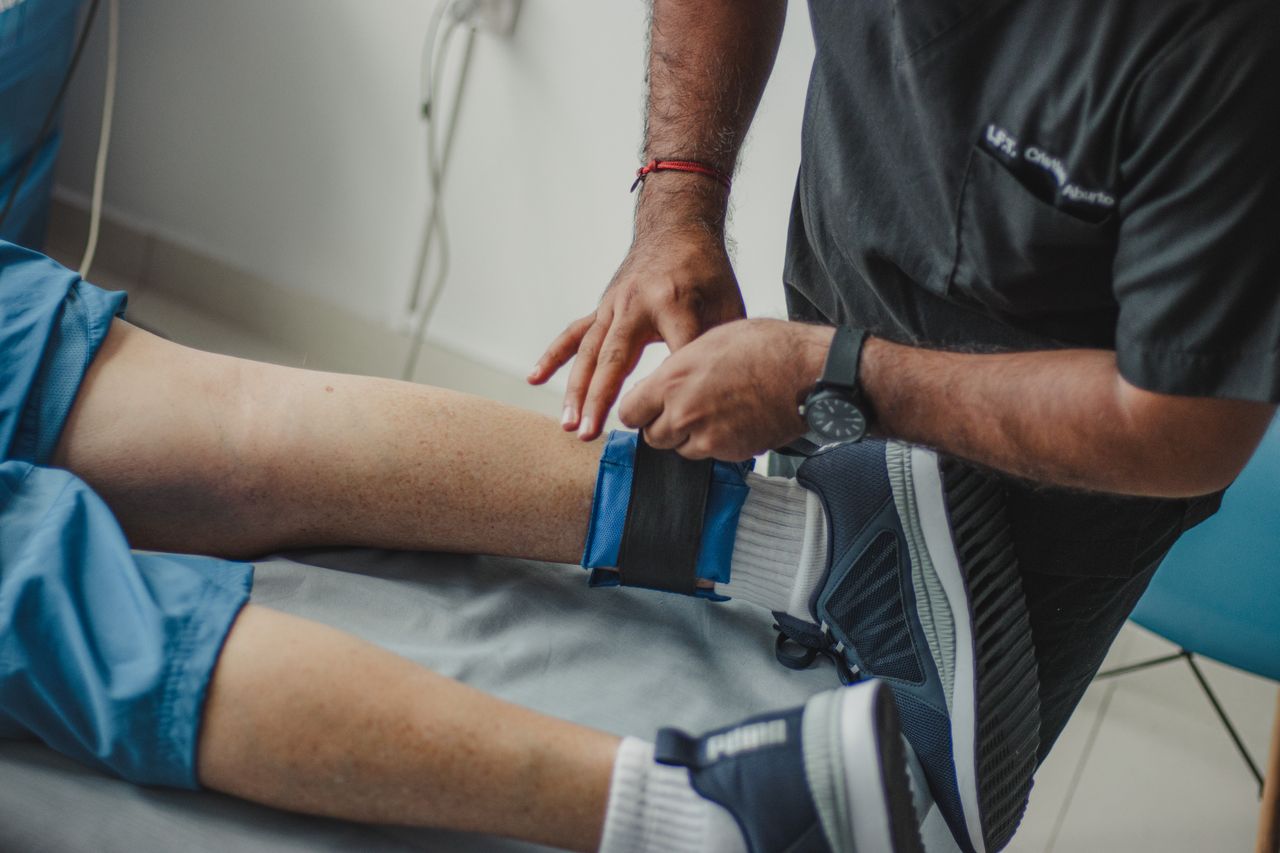
Evening soreness catches up with a lot of people after long, busy Cairo days. Between early starts, school drop-offs, traffic, and work hours that stretch past sundown, it builds slowly. Cairo’s weather in late September starts to shift too. Mornings are more brisk, and the cooler air at night can make joints feel stiffer, especially if muscles haven’t had time to recover from the day’s demands.
For many, this shift in routine can bring on discomfort that didn’t show earlier in the year. That’s where thoughtful care makes a difference. When we talk about helping people through these cycles, we look at how different bodies respond as the season evolves. Late in the day is often when people slow down just enough to notice what’s been hurting. That’s why we see increasing interest in physiotherapy services in Egypt during this time. Addressing soreness at night isn’t just about pain relief. It’s about helping people move better through each day that leads to it.
Understanding Why Soreness Worsens in the Evening
By the time the evening arrives, the body has taken on a full load of movement, pressure, and repetitive tasks. It’s not always one big action that causes the discomfort. Instead, it’s the layering of small ones, an awkward lift of a grocery bag, long hours at a desk, quick arm swings while walking in crowded areas.
The change in Cairo's weather plays a role here too. As humid evenings fade and dryer, cooler air sets in, joint tissues react. Blood flow may slow down in colder conditions, especially to fingertips, knees, and feet. Muscles that were relaxed through the summer are now working harder to support movement. Add in the way posture often shifts under daily stress, and the body feels tighter than it did a month ago.
Small adjustments in how we sit, carry bags, or lean forward while reading or cooking pile up. And by the end of the day, all of it feels heavier. We see people reach for heat packs, stretch in their living room, or try to sleep off that tightness. But daily habits carry more weight than many realize.
Common Patterns We're Noticing This Time of Year
Once fall routines settle in, common types of pain begin to appear more regularly. Clients often talk about:
- Lower backs tightening after long commutes
- Shoulders and necks feeling sore from lifting children or lugging work bags
- Knees aching after standing for long periods during errands or cooking dinner
The days feel shorter, and that impacts how people manage rest. Bright afternoons disappear more quickly. The cooler air encourages people to move less, but everything from laundry to school prep still needs to get done. Some continue summer routines into this season without adjusting how they move or rest. We notice how colder mornings and evenings in Cairo seem to amplify pain that might have been mild in August. Often, people chalk it up to aging or wear-and-tear, but the real driver can be found in their schedule.
How Movement and Physical Therapy Can Help
Once soreness becomes part of someone's nightly routine, it signals that movement habits aren't fully supporting the body anymore. That’s where small, regular actions throughout the day become important. Gentle stretch breaks and posture resets during work hours make a difference by evening.
These movements don’t have to be complex. Simple ankle rolls, shoulder circles, or deep breathing patterns before school runs or commutes can loosen the body early and help it stay more balanced later.
We focus on personalized routines that respond to specific patterns. Someone who sits for most of the day needs different support than someone who stands or walks long hours. For families in Cairo managing tight household spaces, we build movements that can be done within small rooms or on the go. When we talk about physiotherapy services in Egypt during fall, we're thinking about daily rhythms that shift with school calendars, holidays, or changing daylight hours.
At Alnada Physical Therapy Center, our therapists design evening pain relief programs that blend stretches, pain management education, and environmental tips, as described on our services page.
Recovery isn't just about injury. It's about checking how the body moves again now that the season has changed and the energy of each day feels different.
What to Expect from a Tailored Treatment Plan
When people come to us with evening soreness, we don’t jump into intense routines. We begin with observation. We watch how someone walks, how they carry their bag or pick up their child. These habits guide the kind of care we shape next.
Here's what often goes into our approach:
- A short movement screen at the end of a typical day to assess late-hour muscle response
- A review of sitting and standing habits, especially during work or errands
- Gentle releases or low-stress mobility movements that fit into the evening
We also look at how routines might overlap. Parents may be lifting groceries after standing in line all afternoon. Office workers might return home, only to slump into a couch without stretching. The way each person winds down matters. Evening strategies aren't about intensity. They’re about helping the body clear the stress that piled up hour by hour.
Consistency matters. Big results come from small movements done regularly. With that awareness, things begin to shift.
Easing into Evenings with Less Tension
Soreness doesn’t have to wait quietly all day just to show up after dinner. When people add small adjustments, the body begins meeting the evening in a calmer state. That might mean altering how they sit during commutes or adding light stretching while dinner cooks.
We remind people that movement doesn’t need to stop when work ends. In fact, thoughtful movement in the final hours often makes bedtime more restful and mornings feel easier.
What changes most in fall is rhythm. Cairo feels different by the time September ends, and so should the way we care for our bodies. By noticing what hurts and when, we help guide people toward patterns that reduce pain, not simply manage it. Small adjustments earlier in the day go a long way in making the night more comfortable.
Evening soreness often shows up when we finally slow down, but that doesn't mean you have to settle for it becoming part of your nightly routine. At Alnada Physical Therapy Center, we guide people in Cairo through thoughtful movement patterns that match the energy of each season. Noticing tension settle in more quickly as your day winds down is common, and we’re here to help you find more comfort as you move. Learn how our approach to physiotherapy services in Egypt can support your body as routines shift. Contact us when you’re ready to move through your evenings with less strain.