
تخفيف يومي مع العلاج الطبيعي لآلام عرق النسا
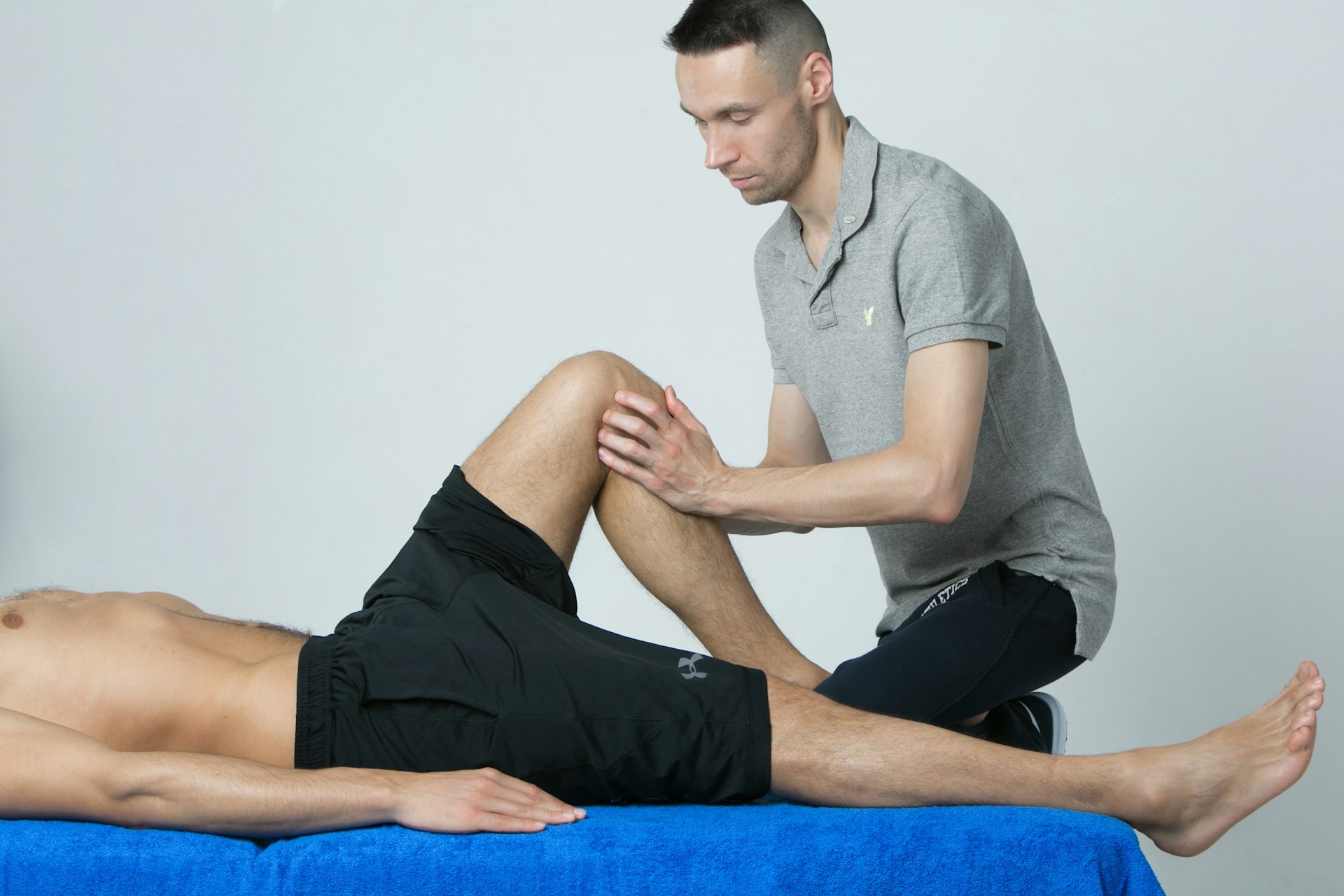
ألم عرق النسا هو وسيلة للتسلل إلى يومك وجعل أبسط الأشياء تبدو معقدة. يمكن أن يبدأ المشي عبر الغرفة أو الخروج من السرير أو الجلوس لتناول وجبة في الشعور وكأنه تحدٍ. عندما يمتد الألم إلى أسفل الظهر أو الورك أو الساق، يمكن أن يؤدي ذلك إلى التخلص من الأشياء بسرعة.
يحاول بعض الأشخاص التمدد أو الراحة أكثر، على أمل أن تتحسن الأمور من تلقاء نفسها. ولكن مع العلاج الطبيعي لعرق النسا، فإن الهدف ليس مجرد راحة قصيرة. إنه تحسن مطرد. الآن، مع ارتفاع درجات الحرارة في فصل الربيع في القاهرة، حان الوقت لجعل الجسم يشعر بالحركة مرة أخرى. قد يكون تخفيف هذا الوخز المزعج في ساقك أو البقعة الصلبة في ظهرك أسهل مما تعتقد.
فهم من أين يأتي ألم عرق النسا
العصب الوركي هو أطول عصب في جسمك. يبدأ في العمود الفقري السفلي ويمر عبر الورك وأسفل كل ساق. عندما يتعرض هذا العصب للضغط أو التهيج، يمكن أن يسبب مجموعة واسعة من الأعراض.
• قد تشعر بألم حاد أو حارق أسفل ساق واحدة
• يلاحظ بعض الأشخاص الشعور بالوخز أو التنميل أو الشعور بالدبابيس والإبر
• غالبًا ما يبدأ الانزعاج منخفضًا في الظهر وينتقل إلى أسفل، خاصة عند الجلوس أو السعال أو رفع الأثقال
• تشمل الأسباب الشائعة الجلوس لفترة طويلة جدًا، أو الانزلاق الغضروفي، أو الوضعية غير المستوية، أو شد العضلات في الوركين أو العمود الفقري السفلي
لا يشعر شخصان بعرق النسا بنفس الطريقة تمامًا. بالنسبة للبعض، فإنه يأتي ويذهب. بالنسبة للآخرين، يبقى الأمر كافيًا لتغيير طريقة تحركهم أو طريقة نومهم.
عندما تفهم سبب الألم، يمكنك البدء في اتخاذ خيارات أكثر ذكاءً حول ما يساعدك وما يعترض طريقك. بالنسبة للعديد من الأشخاص، يؤدي الجلوس لفترات طويلة أو الرفع بشكل سيئ إلى زيادة الضغط على أسفل الظهر. حتى شيء بسيط مثل حمل حقيبة على جانب واحد أو الوقوف بشكل غير متساوٍ يمكن أن يهيج العصب الوركي ببطء.
لماذا يعمل العلاج الطبيعي لتخفيف عرق النسا
عندما يتهيج العصب الوركي، فإن الراحة وحدها لا تحل المشكلة دائمًا. تستجيب أجسامنا للألم عن طريق الشد، مما قد يزيد الأمور سوءًا إذا ظل العصب مضغوطًا. والخبر السار هو أن الحركة الموجهة يمكن أن تساعد الجسم على إرخاء تلك البقع الضيقة مع بناء الدعم عند الحاجة.
• يمكن أن يؤدي تمرين القوة حول الوركين والأرداف وأسفل الظهر إلى تقليل الضغط على العصب
• التمدد يفتح بلطف مساحة بين الأنسجة الضيقة التي قد تضغط على العصب
• تعلم أنماط المحاذاة والحركة الأساسية يساعدك على تجنب العادات التي تجعل الألم يعود
• لا يعالج العلاج الطبيعي الألم بمجرد نشأته فحسب، بل يساعد أيضًا في تقليل فرص حدوثه مرة أخرى
يجب أن تتطابق كل خطة تعافي مع كيفية تحرك جسم شخص ما الآن وأين يحتاج إلى الدعم. الهدف هو إضفاء المزيد من الهدوء على النظام والقوة في الأماكن الصحيحة بمرور الوقت.
في مركز Alnada للعلاج الطبيعي، تم تصميم خطط الرعاية الشخصية الخاصة بنا لعرق النسا باستخدام مزيج من التمدد والتقوية والعمل الوضعي. يقوم المعالجون ذوو الخبرة لدينا بتعديل كل جلسة بناءً على راحتك وحركتك، مما يضمن تقدمًا لطيفًا وفعالًا.
يتعلق العلاج الطبيعي بإيجاد روتين يناسب نمط حياتك ويمكن التحكم فيه وليس مرهقًا. مع مرور الوقت، تساعدك هذه التحسينات التدريجية على العودة إلى المهام اليومية والعمل والهوايات بألم أقل.
تغييرات بسيطة تساعدك على الشعور بالتحسن كل يوم
حتى خارج غرفة العلاج، يمكن لبعض الخيارات في المنزل أو العمل أن تجعل علاج عرق النسا أسهل يومًا بعد يوم. بعض هذه التغييرات لا تتطلب أي جهد تقريبًا بمجرد أن تعتاد عليها.
• تجنب الجلوس في نفس الوضع لفترة طويلة جدًا، أو الوقوف أو تغيير الملابس كثيرًا، خاصة عند العمل على المكتب
• حافظ على قدميك مسطحة على الأرض عند الجلوس، وتأكد من أنك لا تميل كثيرًا للأمام أو للخلف
• إذا كنت تقود سيارتك كثيرًا، ادعم أسفل الظهر بمنشفة ملفوفة أو وسادة صغيرة
• تعرف على الحركات التي توفر الراحة، وتلك التي تزيد الألم سوءًا، حتى تتمكن من التحول عند الحاجة
يلعب ضبط إشارات الجسم الصغيرة قبل أن تصبح إشارات أكبر دورًا كبيرًا هنا. ينتظر الكثير من الناس حتى يصبح الألم قويًا لإجراء التغيير، ولكن كلما لاحظت الضيق أو الانزعاج مبكرًا، أصبح من الأسهل إدارته.
من المفيد إنشاء تذكيرات لنفسك للتحرك باستمرار، خاصة إذا وجدت نفسك تعمل على جهاز كمبيوتر أو تقوم بمهام تتطلب الوقوف لفترة طويلة. يساعد التوقف المؤقت للتمدد أو تغيير المواضع أو حتى أخذ نفس عميق بطيء على تدفق الدم ويمكن أن يقلل الانزعاج بسرعة. لا تحتاج إلى إجراء تغييرات كبيرة بين عشية وضحاها. ما يهم هو ملاحظة كيفية تفاعل جسمك مع الأنشطة المختلفة وإجراء تحسينات صغيرة ثابتة.
إذا كنت تعمل من المنزل، فحاول إعداد مساحة العمل الخاصة بك بحيث تشعر بالراحة والطبيعية للتنقل. احتفظ بالأشياء المهمة على ارتفاع الخصر أو في متناول اليد حتى لا تلتف أو تتمدد بشكل غير ملائم. في العمل، خذ فترات راحة قصيرة أو تجول في المكتب عندما يكون ذلك ممكنًا. في بعض الأحيان، حتى بضع دقائق من التمدد اللطيف أو المشي يمكن أن تحدث فرقًا حقيقيًا في شعور جسمك لبقية اليوم.
التخطيط للتقدم المطرد في أسبوعك
التخلص من آلام عرق النسا لا يعني الضغط على نفسك بقوة. يتعلق الأمر بالبقاء متسقًا. الطريقة التي يتحسن بها جسمك هي الظهور للحركة بانتظام، وليس بالسرعة أو القوة.
• ابدأ بجدول منتظم يناسب مكانك اليوم، حتى جلستين أو ثلاث جلسات في الأسبوع تحدث فرقًا
• لا تخطي الحركة في الأيام المزدحمة، أو المشي القصير، أو تمارين الإطالة، أو ممارسة واحدة أو اثنتين من التمارين المفيدة التي تساعد في الحفاظ على إيقاعك
• العلاج الطبيعي الجيد لا يتعجل. إنه يعتمد على ما يعمل ويتغير عندما يكون جسمك جاهزًا للمزيد
نحن نوجه الأشخاص من خلال الخطوات التي يمكنهم التعامل معها الآن، ونقرنها بالمكان الذي يريدون الوصول إليه لاحقًا. هذا النوع من التقدم التدريجي يساعد جسمك على الثقة بنفسه مرة أخرى ويقلل من فرص عودة الألم.
تذكر أن تخطط للانتقال إلى روتينك حتى في أكثر أيامك ازدحامًا. ممارسة عدد قليل من التمارين البسيطة كل صباح يعطي نبرة إيجابية، وتكرارها في الليل يمكن أن يساعدك على الاسترخاء. إذا كان هدفك هو العودة إلى المشي أو البستنة أو اللعب مع الأطفال، فحدد أهدافًا صغيرة كل أسبوع واحتفل بالتقدم، حتى لو كان بطيئًا. مع مرور الوقت، تتراكم هذه الجهود وتؤتي ثمارها مع ألم أقل ومزيد من الطاقة لاستخدامها طوال اليوم.
يمكن أن يساعدك العمل مع معالج أيضًا في تحديد أهداف واقعية وتعديل روتينك أثناء بناء الثقة والقوة. يمكن أن يعلمك المعالج تمارين آمنة للقيام بها في المنزل، وتقديم المشورة في حالة عودة الألم، ودعمك عندما تصبح أكثر نشاطًا مع الموسم.
جاهز للتحرك بشكل أسهل مرة أخرى
في بعض الأيام يكون الألم باهتًا. في أيام أخرى، تكون تلك القفزة الحادة أسفل ساقك هي التي تتركك متجمدًا. في كلتا الحالتين، يمكن لعرق النسا أن يجعل الحياة تبدو أصغر عن طريق تغيير طريقة تحركك أو المدة التي يمكنك البقاء فيها على قدميك. والخبر السار هو أنه ليس من الضروري القيام بذلك.
يلتقي العلاج الطبيعي لعرق النسا بجسمك حيث يكون متصلبًا ومشدودًا ومؤلمًا، ويساعده على العودة نحو حركة هادئة ومتوازنة. الآن بعد أن بدأت القاهرة تسخن مرة أخرى، فهذا هو الموسم المثالي لبدء المشي براحة أكبر، أو الجلوس مع إجهاد أقل، أو ممارسة الأنشطة التي كنت تتجنبها. قلة المضايقات خلال اليوم تعني المزيد من الطاقة المتبقية للأشياء التي تستمتع بها.
في مركز Alnada للعلاج الطبيعي، نعرف مدى صعوبة الألم عندما يتداخل الألم مع روتينك اليومي. عندما تبدأ في ملاحظة الأوجاع المستمرة في أسفل الظهر أو الإحساس بالوخز في ساق واحدة، فإن فريق القاهرة لدينا هنا لمساعدتك على الشعور بالراحة قبل أن تؤثر على حياتك بشكل أكبر. عيادتنا مكرسة للتقدم المطرد والرعاية العملية والشخصية. اكتشف كيف نتعامل العلاج الطبيعي لعرق النسا بطريقة تدعم احتياجاتك الفريدة. اتصل بنا اليوم لتحديد موعد استشارتك.