
What to Bring to a Sports Injury Clinic in Cairo
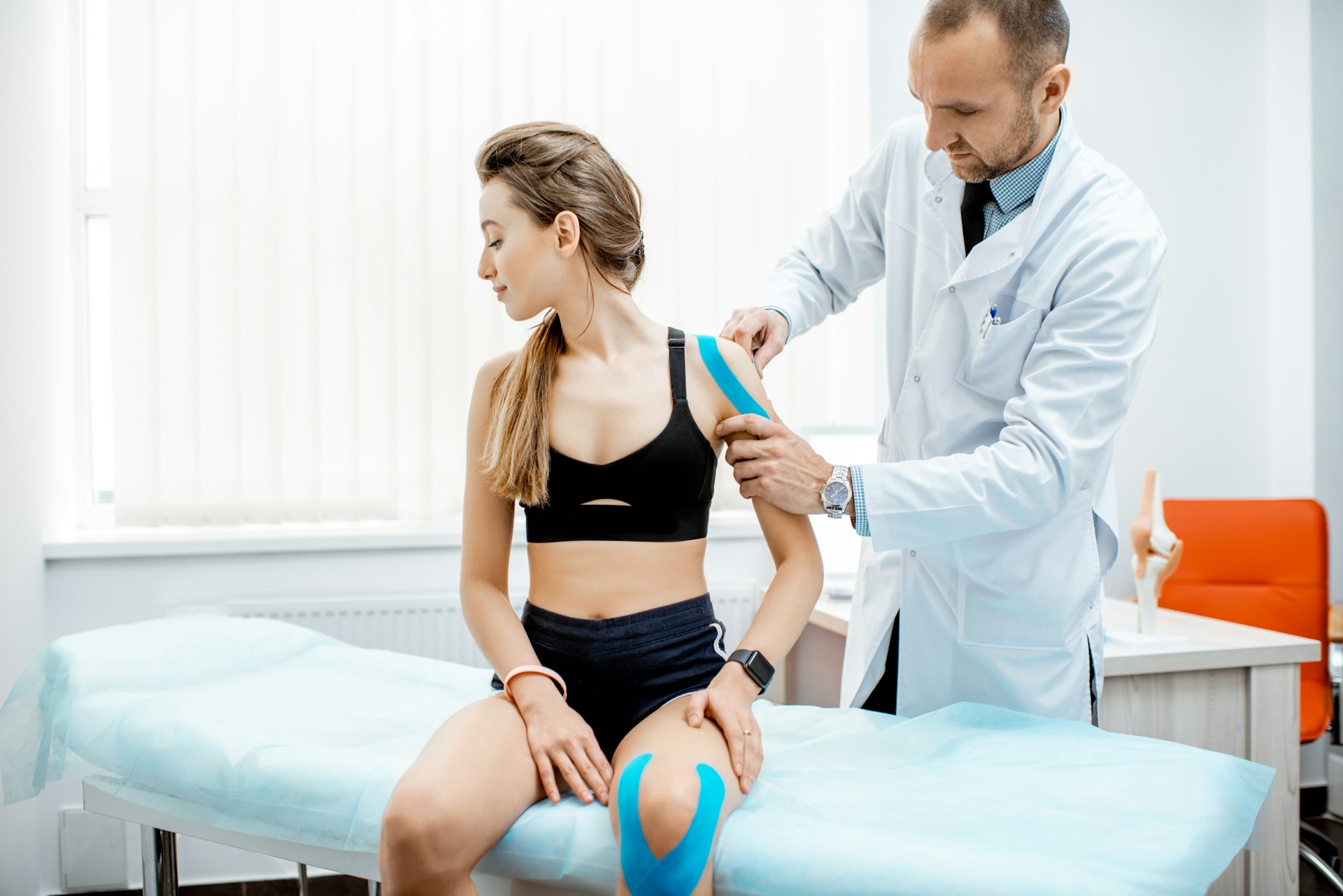
If you’re headed to a sports injury clinic in Cairo, a little preparation can make a big difference. We’ve seen how showing up organized helps people get more out of their first visit. It’s a chance to start the recovery process off right. But when someone’s in pain or overwhelmed by appointments, it’s easy to forget things that could really help during that first session.
Knowing what to bring can save time and reduce stress. That’s why we walk through it step by step. May in Cairo brings longer days and warming weather, which means more outdoor activity. Not surprisingly, that also means we start to see more overuse injuries or flare-ups from past sports strains. Getting ready for your visit with the right clothes, records, and mindset helps us get straight to what matters most: helping you move better.
Understanding Your Appointment: What to Expect
Your first visit usually begins with an evaluation. We look at how your body moves, how certain areas respond to pressure, and what activities might have caused or worsened the injury. This helps us understand what’s really going on and sets the direction for follow-up care.
Being prepared helps this process go faster and gives us the clearest picture possible. If you already have information about your injury, even just a short description of what happened and how it feels, that’s a great place to start.
Cairo heats up quickly in late spring. People often come in with knee, ankle, or shoulder issues after getting back into jogging, cycling, or weekend matches. Knowing how long the pain has lasted and what movements are tough gives us better insight into how your body is reacting.
At Alnada Physical Therapy Center, our sports injury evaluations draw from orthopedic, neurological, and physical rehabilitation expertise, as detailed on our services page. We use evidence-based assessment for all types of sports injuries, from strains to post-surgical concerns.
Clothing and Footwear: Dress for Function
Wear something that lets you move easily. That usually means no tight jeans, no stiff shoes, and nothing that restricts your hips or shoulders. Your outfit should help us see the injury clearly and test your motion without making you uncomfortable.
Here’s what usually works best:
• Loose shorts or pants with an elastic waist
• A T-shirt or tank top, especially for upper body injuries
• Sports shoes or trainers if the pain is in your legs or feet
• Avoid sandals or flip-flops unless we’re checking a toe or foot issue
We might ask you to walk, squat, reach, or stretch depending on where you’re hurting. The right outfit makes these easy to do without needing to change clothes midway.
Medical Records and Info to Bring
If you’ve had imaging done like an X-ray, MRI, or ultrasound, bring a copy or photo of the results. That includes any paperwork from ER visits or specialist referrals. Even if it’s a scan from a few months ago, it helps us understand the injury history.
Here’s a short list to keep on hand:
• Names of any medications you’re taking, especially if they relate to inflammation or pain
• A summary of what happened, was it sudden or did it build slowly? What makes it worse or better?
• Notes from past treatments or therapy sessions, even if they didn’t help much
If you’re coming in for ongoing pain or multiple injuries, it’s helpful to write down where the pain is strongest and what times of day it gets worse. These little details help us spot patterns and fine-tune what we try during the visit.
Gear, Equipment, and Support Items
We always learn a lot by seeing the gear you’ve used. That includes braces, compression sleeves, orthotics, or old running shoes. Even something small, like a wrist strap, tells us about what you’ve been doing and how your body’s been supported (or not).
Here’s what to pack if it applies:
• Any braces you've worn during workouts or everyday life
• Sport-specific gear like cleats, lifting belts, or tape you often use
• A water bottle and small towel if you’re expecting to move around a lot
• A notebook or phone to write down exercise tips or follow-up plans
We’ll often show you safe ways to stretch or do basic strength moves by the end of the session. Having a way to note those reminders helps you remember them later when you’re home on your own.
Mental Prep and Questions to Consider
A lot of people come in feeling unsure. Will this make things worse? Will I ever get back to sports? Will I be told to stop doing what I enjoy? It’s completely normal to feel cautious, especially if the pain has been bothering you for a while.
Before your visit, think about what you’d like to get out of it. That helps us shape the session around your goals, not just a standard test.
Here are a few good questions to consider:
• What might be the first signs that I’m healing?
• What activities should I pause, and for how long?
• Are there pain signals I should pay attention to more closely?
Being honest about your fitness goals, stress level, and daily routines helps us make better suggestions. If you’re training for a race or just want fewer flare-ups at work, knowing that early changes what we do during the session.
Set Yourself Up for Better Care
Bringing the right items might not seem like a big deal, but it plays a quiet role in better care. We notice when someone arrives ready, and it lets us focus on how to help rather than catching up on missing info. Every appointment starts a little stronger when we have the right clothing, the right records, and a clear idea of how the pain began.
Warm spring weather in Cairo usually brings people back to outdoor sports, jogging by the Nile, or weekly football matches. That’s great for staying active, but it can trigger old injuries too. Treating these starts with a full picture, and what you bring to that first visit can help draw it clearly.
Being ready doesn’t mean being perfect. It just means thinking ahead a bit so we can use your time well. When you show up prepared, we’re able to focus on movement, recovery, and getting you back to doing what you love.
At Alnada Physical Therapy Center, we’re dedicated to helping you find recovery support that fits your pace and daily routine. We know how important it is to feel at ease and prepared before your first visit. Whether you’re managing a new strain or an old injury, our personalized approach is focused on movement that suits you. Begin your journey with confidence at our trusted sports injury clinic in Cairo. Contact us today to schedule your appointment.