
How Sports Physiotherapy in Cairo Helps You Return to Play
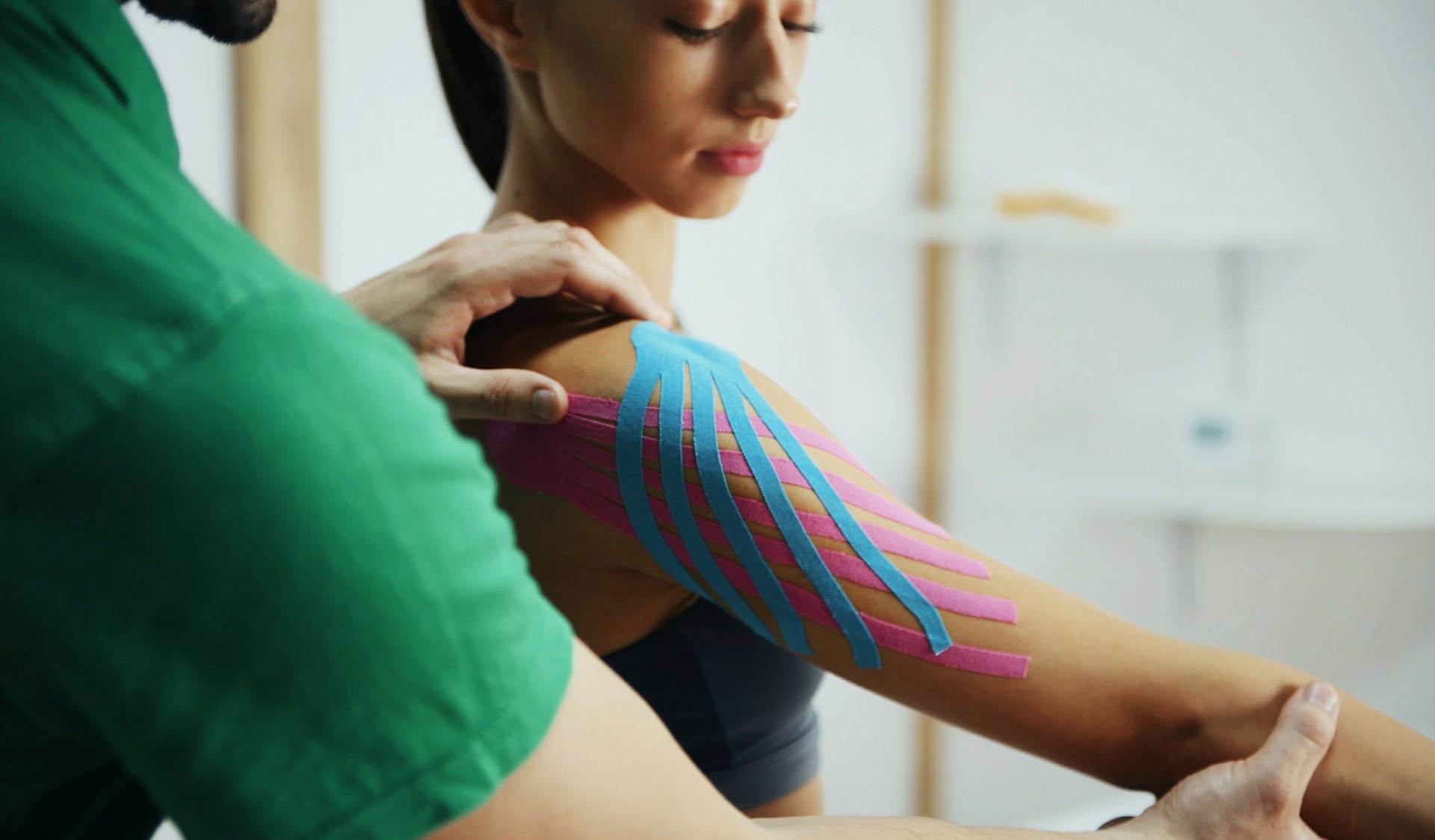
Late spring in Cairo brings longer days and warm evenings, perfect for pickup football games, outdoor training, and neighborhood runs. With that upswing in activity, though, we tend to see more sports injuries aggravate or show up for the first time. Whether it’s a hamstring strain, a sore ankle that won’t settle down, or a shoulder that’s been overused, many people want one thing, to stay active and return to play as soon as possible. That’s where smart recovery makes all the difference. Sports physiotherapy in Cairo isn’t just about rehab, it's about helping your body move better again so you don’t fall into the same pain cycle every time you get back in the game.
Understanding the Injury and Your Goals
When Cairo’s parks and sports fields fill up in late spring, injuries don’t take long to follow. Whether it’s younger athletes increasing their play time or adults starting new fitness routines, strain tends to land in familiar places like knees, shoulders, and lower backs. Some injuries come from doing a bit too much too quickly, others from repeating the same motion too often without rest.
What we’ve seen is that a one-size-fits-all approach never fits anyone well. A former athlete in their forties won’t need the same recovery plan as a teenage tennis player or a runner easing into evening jogs. That’s why we start with careful listening and close observation.
We focus on:
• What movements cause discomfort or hesitation
• How flexible and strong each involved area is
• What your goals are, including any timeframes or activity needs
Without rushing, we use that information to draw a starting line that makes sense, not one that pushes too fast or waits too long.
What to Expect from a Sports-Focused Therapy Plan
Good recovery works in steps. When we build a therapy plan for a new or recurring injury, it starts with the details: where the injury came from, what sport or movement may have caused it, and how your day-to-day life plays into the pain.
From there, we ease in:
• Calming inflammation and protecting movement
• Rebuilding strength around the affected joint or muscle
• Testing motion specific to your sport or routine
It’s normal to feel sore during some parts of recovery, especially when we start reactivating tight or weak areas. But that soreness should fade quickly and feel different from your original pain. That’s why we always tell people to speak up if something feels off. Pushing through pain too early often sets things back, not forward.
At Alnada Physical Therapy Center, our sports physiotherapy service tailors plans to each individual, providing orthopedic assessment, muscle activation, and targeted recovery based on activity needs, as noted on our service page.
Tools and Techniques That Support Recovery
Recovery is not just about what happens on the table or the floor, it’s about how your body responds to movement over time. We often use a mix of hands-on therapy, targeted exercises, and simple gear like resistance bands, step blocks, or foam rollers. These tools help rebuild strength without putting too much load onto the healing area.
Several techniques make a difference:
• Controlled active movements to restore your range
• Light resistance work to restart muscle support
• Sport-specific motion drills once you're ready
For example, a football player might need directional changes and balance drills, while a swimmer may focus more on shoulder control. Rest is part of recovery, but too much of it leaves your body deconditioned. Even small daily movements matter more than many people realize.
Staying on Track Outside of the Clinic
By June, Cairo’s heat can make outdoor workouts trickier, especially if you’re managing pain. It’s easy to slow down your rehab plan when life gets busy or it’s just too warm to stick to your usual routine. That’s why we support people in building small habits that last.
Working on your recovery outside of sessions often comes down to:
• Keeping a few home tools nearby like gel packs, a mat, or bands
• Practicing the cues or movements we've taught, even if just for 10 minutes a day
• Making slight changes at work or home, like sitting differently or adjusting how you lift things
People often ask when they can go full speed again, but what makes the real difference is low-effort routines done consistently. High effort for one week doesn't beat quiet, regular progress over three.
Getting Back on the Field, Court, or Track
The return to play should feel planned, not rushed. Feeling pain-free while walking around your neighborhood doesn’t always mean your ankle is ready for a sudden sprint or a sidestep. That’s why we check maps of motion, not just pain levels, to guide your next steps.
We usually phase the return in three ways:
• Testing sport-like moves in a safe, supported setting
• Increasing intensity over a few days or weeks based on how your body responds
• Keeping in touch about any soreness, swelling, or hesitation
It’s not just about strength. Confidence plays a big part in how your body moves, and moves without bracing out of fear. The stronger and smarter your recovery path, the more freedom you’ll feel when you lace up again or step back onto the field.
Strong Recovery Builds Long-Term Confidence
Feeling ready to return to your sport is a big milestone, but lasting confidence comes from knowing your body better. When you understand what caused the injury and which movements help, you put yourself in a stronger place than before the setback.
We see a lot of people here in Cairo trying to balance movement with daily life, jobs, heat, and other distractions. Having a plan that fits your goals, and makes space for them, lets you keep moving with less fear and more focus. Summer can still mean play. And play, with the right recovery path, can mean progress too.
Recovering while maintaining your progress is possible with the right support, and our team at Alnada Physical Therapy Center is here to help you achieve steady results suited to your needs. We specialize in guiding real people in Cairo through challenges like pain, heat, stress, and movement goals, blending structure and care in every plan. See how our approach to sports physiotherapy in Cairo can make a lasting difference for you. Reach out today to take the next step.