
Finding the Right Physical Therapy Clinic for Teen Athletes
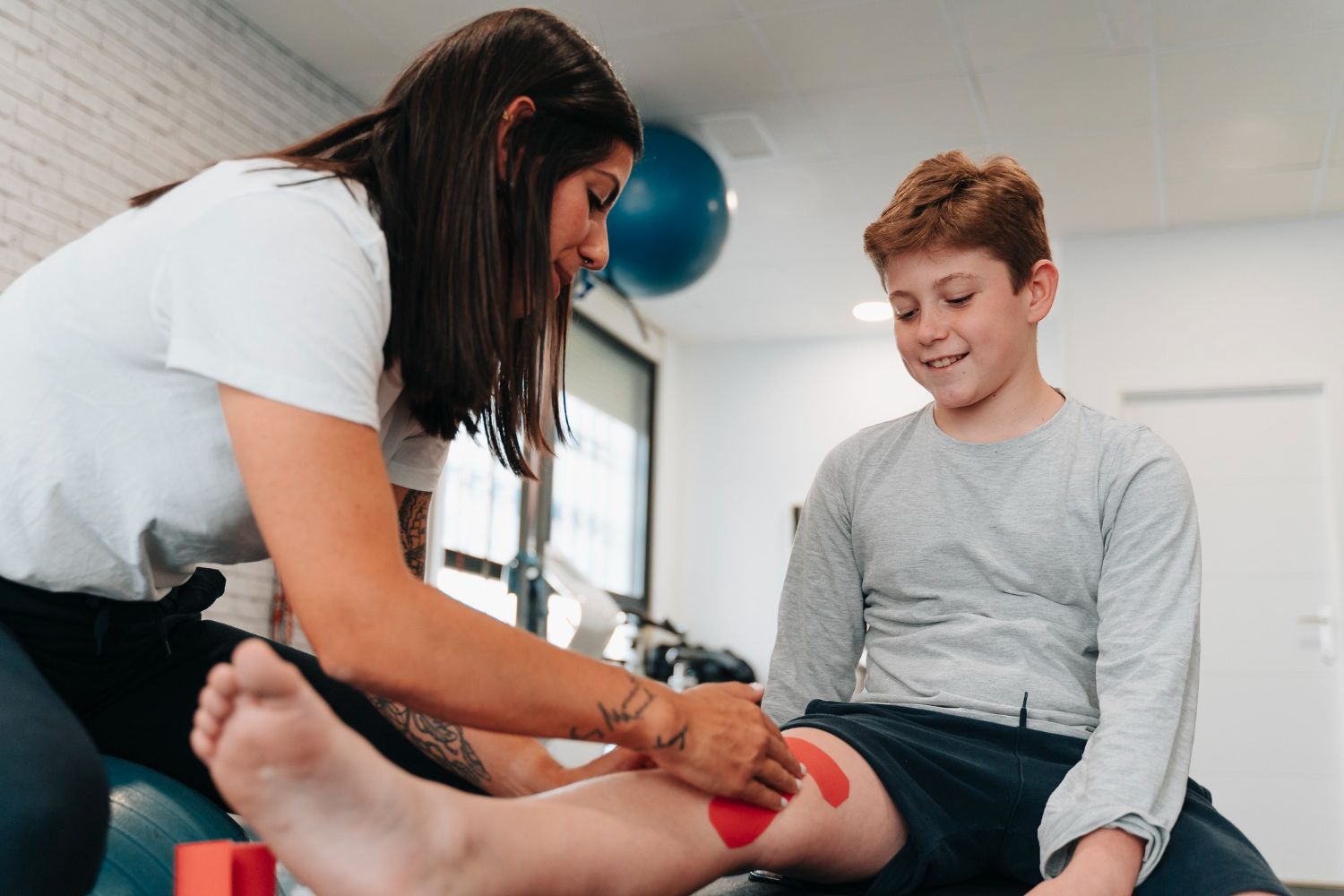
Teen athletes train hard. Whether they’re on school teams or in local clubs, many of them keep a schedule packed with practices, games, and workouts. That much activity puts a lot of stress on growing bodies, which is why physical therapy clinics often play a big role in keeping young athletes healthy and strong.
Late August in Cairo is usually when sports season starts picking up again. With school right around the corner and training sessions restarting, it’s a good time for families to think about what kind of care teen athletes may need if something goes wrong. A good recovery plan starts with finding a clinic that knows how to work with teens and guide them through a safe return to the game.
What Makes Teen Athletes Different
Teenagers aren't just small adults. Their bodies are still developing, which means they respond differently to injuries, stress, and even exercise routines. Some teens hit growth spurts that change how they move. Others are still building coordination and strength. What might be a small issue for an adult can cause more lasting problems for a teen if it's not handled the right way.
Because of that, recovery needs to balance two things at once, keeping the athlete strong enough to compete while avoiding long-term issues. Some teens will try to work through pain without speaking up, especially if they feel pressure from coaches or want to hold their spot on the team. That’s why it helps when clinics are able to talk with young athletes directly, give honest feedback, and keep their bodies from taking on more than they should.
Growing up and playing sports is not always easy for teens who deal with injury or aches, especially since their bodies are still going through big changes. Muscles, bones, and tendons can heal at different rates, and they might even be dealing with pain in areas they didn’t expect. These important differences are why recovery for teen athletes really deserves special, focused care.
Qualities That Matter in a Clinic
Not every place understands teens. The best clinics for young athletes are the ones that stay tuned in to how teenagers think, train, and heal. Here are some things we look for:
- Knowledge of sports injuries that are common in youth sports, like growth plate strain, shoulder fatigue from pitching, or knee pain from overuse
- Therapists who listen and make the effort to build trust, especially with teens who are nervous or unsure what’s happening
- A step-by-step recovery plan that doesn’t rush things or expect fast results just to get someone back on the field
Every clinic works a little differently, but when those basics are in place, it becomes easier to help teen athletes come back stronger without taking shortcuts.
At Alnada Physical Therapy Center, we include orthopedic and sports rehabilitation plans that fit each teen’s specific sport, injury type, and activity level as detailed on our service page.
While experience always matters, the way clinics approach teen athletes can make a huge difference. A great clinic will spend extra time explaining exercises, answering questions, and making sure the athlete feels comfortable in each appointment. Trust doesn’t happen overnight, but when young athletes see familiar faces and clear routines, they start to feel more confident in their recovery process.
When Physical Therapy Is a Smart Step
Most of the time, people think therapy only starts after a tough injury or a surgery. But for teen athletes, it’s useful even earlier than that. Learning how to move better, protect their joints, and handle sore muscles can not only fix current problems, but help stop new ones before they start.
We often see young athletes at these points:
- After a sudden injury like a sprained ankle or pulled hamstring that doesn’t get better after a few days
- If they’ve rested and iced sore spots, but the pain is still sticking around
- As part of the plan after surgery or a serious injury that needs months of support
These moments can feel overwhelming to teens, especially when their sport is a big part of their routine. Working with someone trained in recovery can give them back a sense of control, even while they’re still healing.
Sometimes teen athletes might just feel “off” or find their body isn’t moving the way it did before. That doesn’t always mean a major injury, but it does mean there is something to check out. Preventing small aches from turning into bigger problems is one of the most important things a clinic can help with. Building in regular check-ins, even when there isn’t a clear injury, helps many young athletes stay on the field longer and with less worry.
Questions to Think About Before Choosing
Not every family knows what to look for when they’re picking between physical therapy clinics. But asking a few simple questions can help narrow things down.
- Do the staff talk openly with both the teen and the parent, so everyone understands the steps?
- How will the clinic measure the athlete's progress week by week, and are they adjusting things depending on how the teen feels
- If the athlete has school or team requirements, is the clinic willing to shift the recovery plan or keep the coach informed?
A good clinic pays attention to both the calendar and the person. Care shouldn't stay the same no matter what. It needs to match the season, the sport, and the body.
It also helps when the clinic takes time to ask about the athlete's own goals, what they want to get back to, and how they're feeling day to day. Questions like “How do you feel before and after practice?” or “Is there any stress at school or at home?” can lead to better recovery. When clinics really listen to teens, it builds a connection that encourages open and helpful communication.
Helping Teens Feel Supported and Strong Again
When teens get hurt or sidelined, it's not just their body that feels off. Their confidence drops, they miss practices, and they worry about losing ground. A clinic that understands how to care for teens does more than treat pain. It guides them through the ups and downs of recovery and lets them work at a pace that builds them up again.
The plan doesn't end when the pain stops. It ends when the athlete feels ready to move without fear, play without hesitation, and trust their body again. That takes time, patience, and the right kind of support, one that treats the whole person, not just the injury.
Parents play an important part too. Checking in on how their teens feel at home, helping with exercise routines, and encouraging honest conversations with the clinic staff can make recovery smoother and more reassuring. Many times, just having a parent present and involved in these sessions goes a long way.
A focus on steady progress, honest talks, and good habits helps teen athletes not only recover from setbacks, but build a foundation for lifelong physical well-being. Recovery is more than just fixing an injury, it’s about teaching young people how to care for their bodies, respect their limits, and return even stronger.
At Alnada Physical Therapy Center, we understand how important it is for teen athletes to feel supported and truly heard during recovery. Having the right environment where care is personal makes a real difference in how young people return to sport. Families in Cairo searching for trusted care often wonder what makes specific physical therapy clinics stand out, and it often comes down to attention, patience, and experience. We’re here to listen, guide, and help at every stage. To discuss your teen’s needs, please contact us today.