
First Visit Tips for a Physiotherapy Clinic in Cairo
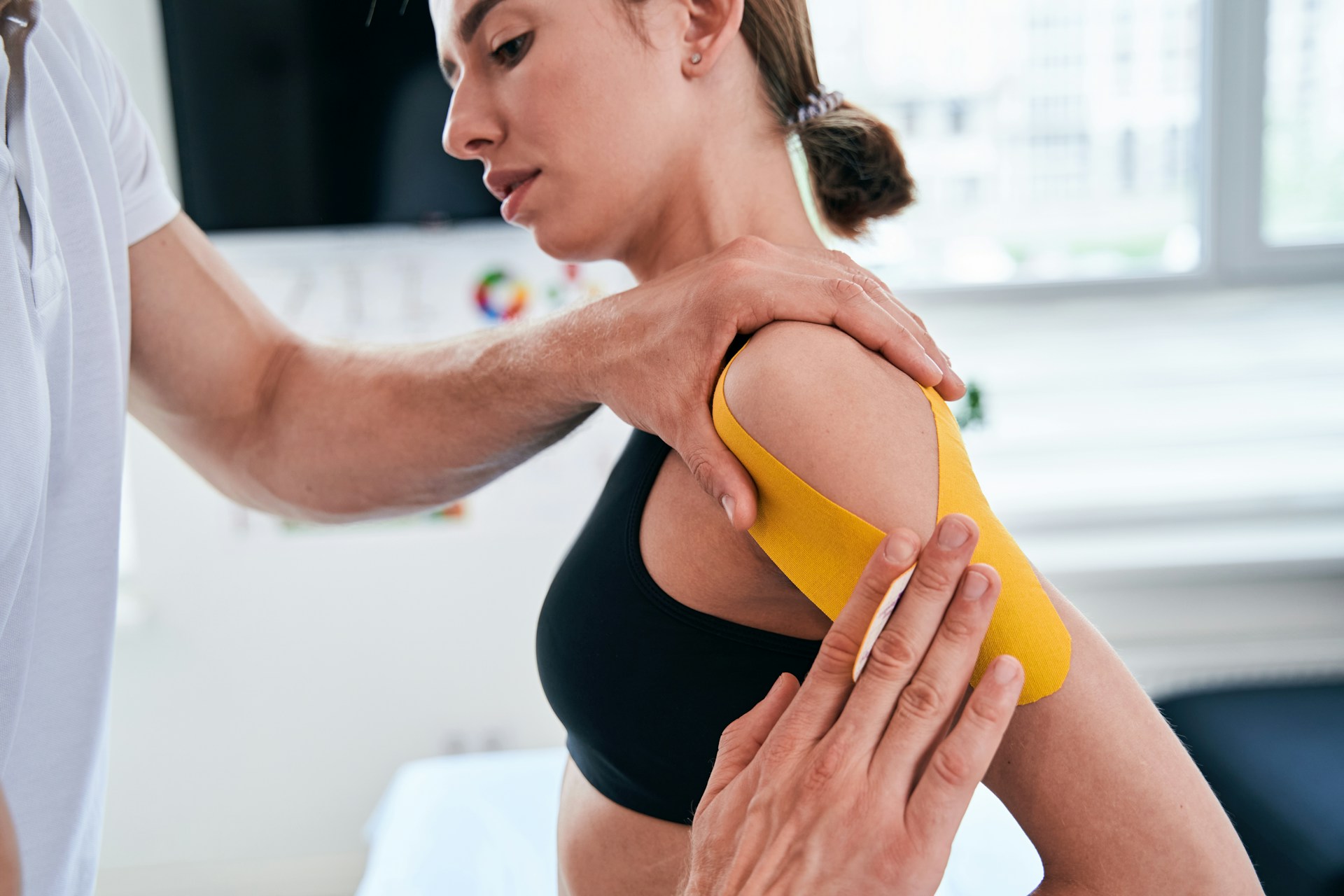
Visiting a physiotherapy clinic in Cairo for the first time can bring up a lot of questions. What should I wear? Will we start treatment right away? Do I need to bring anything with me? These are all normal thoughts, especially if you’ve never done physiotherapy before. We understand that it can feel a bit uncertain, but knowing a few things ahead of time can make the visit smoother.
As Cairo steps into spring, many people naturally become more active. More walking, standing, and changes in daily pace can bring up old problems or create new ones. A first visit is a good chance to check in with how your body feels and start a plan to relieve pain or move better. Whether you’re returning to exercise after winter or trying to feel more comfortable during your day, a little preparation helps.
Getting Ready Before You Arrive
There are a few easy ways to prepare before you come in. Start with what to bring:
• Wear clothes that allow movement, like workout pants, shorts, or a loose shirt. You may be asked to stretch, move, or lie down, and you won’t want your outfit to get in the way.
• If you have any test results, doctor referrals, or notes about past injuries, bring those too. It helps us understand what’s been going on for you.
• Think about your health history. Even a quick list of past surgeries or old injuries can be helpful when we’re looking at how you move or feel pain now.
It’s also smart to arrive a little early. That gives you time to fill out forms, settle in, and ask any questions at the start. Feeling rushed can make the whole visit feel harder than it needs to be. A calm arrival sets a better pace.
Arriving early can also help you gather your thoughts and feel less stressed. Taking a few extra moments before your appointment begins allows you to breathe, get comfortable in the new setting, and mentally prepare for your visit. It’s perfectly normal to feel a bit uncertain at your first appointment, but remembering that everyone was new once can help ease nerves.
What Happens During Your First Visit
The first visit is mostly about learning. We want to hear your story, see how your body moves, and understand what’s bothering you. That way, we can make a plan that matches your real needs.
We usually begin with a few simple questions: How long has this pain been around? When does it feel better or worse? What does a typical day look like for you? Then we move into checking your body. We might ask you to stand, bend, walk, or move a limb. We’re looking at things like posture, joint flexibility, and whether certain movements cause pain. It doesn’t hurt, and most of it is at your own pace.
Cairo’s spring season can be a time when body issues stand out more. Maybe you’re walking longer distances after months of being indoors, or perhaps you’re doing more lifting while cleaning or gardening. We keep this in mind during your assessment and ask about seasonal activity changes that could be affecting how you feel now.
At Alnada Physical Therapy Center, we design each assessment to match individual needs, considering orthopedic, neurological, sports, and women's health concerns. This is reflected in our detailed approach to each client's care, as described on our services page.
During your assessment, you might notice we ask about your goals for therapy and how you hope to feel in the coming weeks. Some clients want to return to a particular sport, while others simply want less discomfort at work or around the house. Please be open about your goals, this helps us shape a plan that feels valuable and appropriate for your daily life.
Questions to Ask During Your Appointment
It’s okay to ask a lot of questions on your first day. In fact, we encourage it. When you speak up, we know what you care about, and that helps us do our part better.
Here are a few helpful questions to consider:
• How long have you worked with people who have this kind of issue?
• What’s your plan to help me feel better or move easier?
• What should I expect in the next few sessions, will it be exercises, hands-on work, or something else?
We know every person is different. Some of you are athletes looking to return to sport. Others are parents, older adults, or just trying to get through the day without pain. So don’t be shy. The more we know, the more focused your care will be.
If you think of questions after you leave, make a note and bring them to your next appointment. The therapy process often brings up new thoughts and curiosities, and we are always open to continuing the conversation as you progress.
Staying Comfortable and Open About Your Experience
Your comfort matters. Therapy should never be about pushing through pain quietly. If something feels off, too hard, too quick, or just confusing, let us know. We want your input at every point.
Here’s how to keep communication honest and useful:
• Tell us if a movement hurts, even if you think it’s supposed to. Pain is your body’s way of sharing something, and we pay attention to that.
• If we explain something and it still doesn’t quite make sense, just ask again. We’d rather explain it twice than have you walk out unsure.
• If something makes you feel better (or worse) after your visit, bring that up next time. That feedback helps us improve what we do together.
We’re always aiming for balance, enough challenge to help you improve but not so much that it causes worry or strain.
Remember, therapy sessions are not one-size-fits-all, and your feedback is an important factor in making adjustments as needed. Sometimes, the smallest discomforts can provide meaningful insight to your therapist. Staying open about your experience during and after the session will create a useful dialogue that benefits your care.
Maximize Your Follow-Up
Your progress between visits counts. Small changes can tell us a lot, especially as you move more in spring.
To get the most from follow-ups:
• Keep track of what feels different, even if it’s small. Did that sharp pain calm down? Do you walk farther without stopping now? These matter.
• If the season has you doing more, from school pickups to long days on your feet, tell us. We might need to adjust your treatment plan.
• Jot down questions or changes you notice so you don’t forget once you arrive. This helps each session build on the last.
Caring for your body takes time and attention. Each visit is a chance to learn more and keep working on what matters most to you.
Checking in regularly helps us see how your body responds over time and gives you the best chance of making real progress. Consistency in your routine, both at home and during sessions, can lead to lasting improvements. Bringing notes to each visit makes it easier to track development and discuss any setbacks or improvements. This habit of communication supports your therapy by giving insight into what actually works for you.
Leaving with Confidence for What’s Ahead
When you know what to expect and feel comfortable speaking up, your first visit becomes less about worry and more about progress. Spring in Cairo brings a shift in pace for many of us, and it can place new demands on our bodies. A thoughtful start gives you the chance to feel more in control of pain, stiffness, or fatigue.
The key is showing up curious, prepared, and open. That way, each session becomes time well spent. Whether you’re new to therapy or returning after a break, the most helpful visits come from working together, and being honest about what you need.
Our team at Alnada Physical Therapy Center is dedicated to supporting your comfort and recovery from your very first visit. We create each treatment plan to match your individual goals, activity levels, and the demands of life in Cairo. For more details about the options available at our physiotherapy clinic in Cairo, simply call or send a message with any questions or to schedule an appointment.