
Advanced Rehabilitation Techniques for Better Recovery
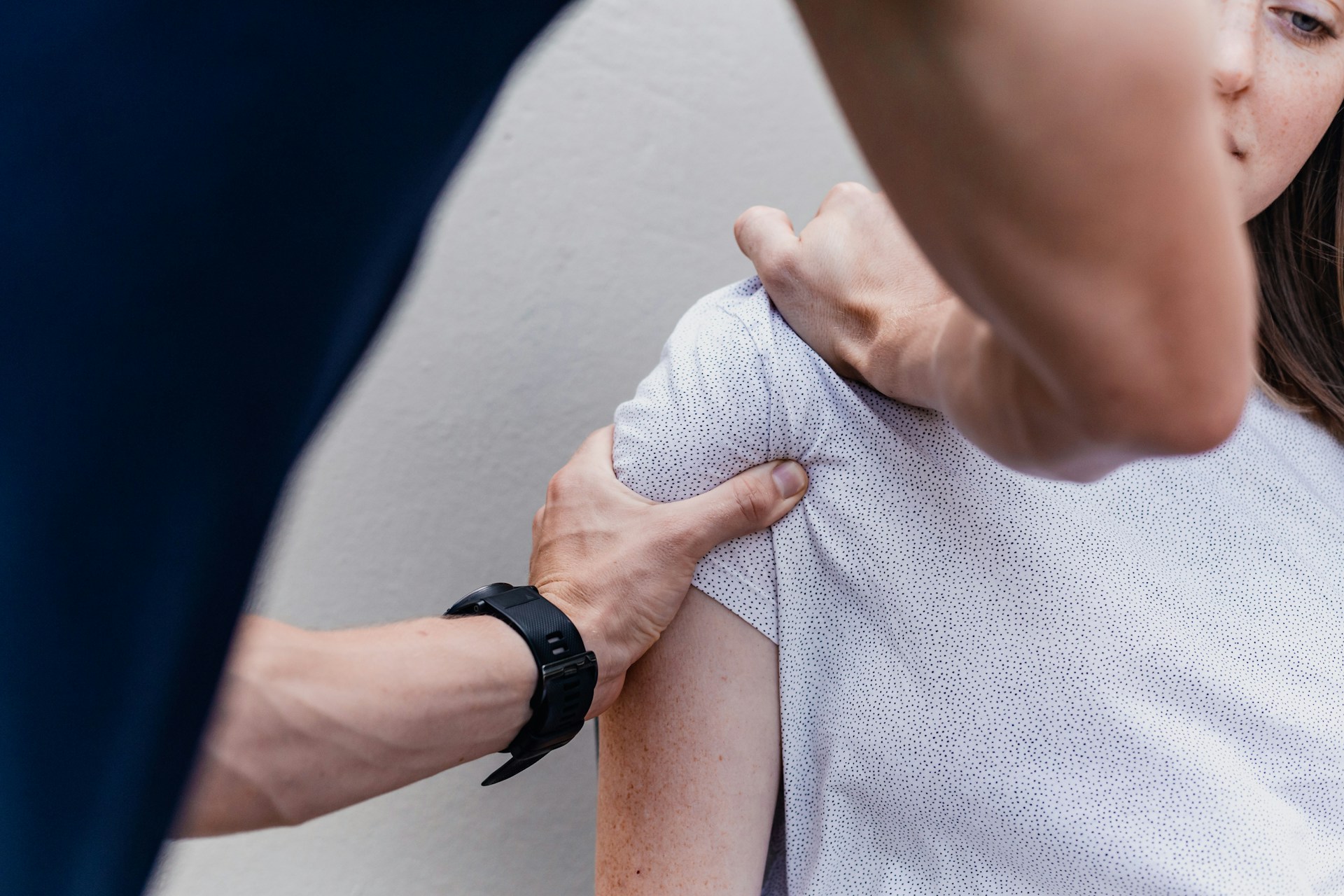
Physical rehabilitation has come a long way from the days of stretching routines and heat packs. While those methods still have their place, newer approaches have shifted how recovery is planned and delivered. The goal now is to speed up healing, improve function, and prevent future discomfort, all in a smarter and more adaptive way. These modern tools and techniques aren’t just fancy upgrades. They’re changing how people recover from injuries, surgeries, or movement-limiting conditions.
Advanced rehabilitation techniques combine hands-on care with newer technologies. Instead of focusing only on pain relief, they help rebuild movement patterns, improve muscle control, and support better balance and coordination. These methods are especially helpful when traditional rehab hits a wall or progress feels too slow. Whether someone is recovering from sports injuries, neurological conditions, or chronic joint pain, these modern tools are showing promising results, especially when used with personalized care.
At Alnada Physical Therapy Center in Cairo, we’ve brought together these techniques to better serve our community by aligning each patient’s recovery path with the most effective treatment options.
Understanding Advanced Rehabilitation Techniques
When people hear the word “advanced,” they might picture expensive machines or complicated equipment. But advanced rehabilitation is more about strategy and innovation than just tech. It’s about rethinking how recovery happens and finding better ways to support the body’s natural healing process. The goal is to improve response time, build strength more effectively, and address pain at its root, not just the symptoms.
This approach has come a long way. Physical therapy was once mainly centered on manual movements and general exercises. That model helped a lot of people, but it didn’t always account for the differences in how each person heals. Today, therapists create more targeted treatment plans after analyzing movement, reviewing health history, and collecting patient feedback. Tools and technology now allow for better identification of issues, tracking progress, and restoring proper connection between body and brain.
What really sets today’s approach apart is how it blends traditional techniques with tech-based tools. Motion sensors, cameras, tablets, water-based environments, robotics, and resistance equipment now play a big role in recovery. These tools lower joint stress, promote consistent results, and give patients more precise support while they move.
Another defining feature is patient involvement. These strategies often include real-time feedback, encouraging patients to become active participants in their own care rather than just passive receivers. This shared approach often leads to steadier progress and boosted confidence.
Key Advanced Rehabilitation Techniques
Getting better through rehab doesn’t mean working harder than your body can handle. It’s about smarter movement that builds strength without adding stress. At Alnada Physical Therapy Center, we use a combination of traditional skills and the following advanced tools to create targeted solutions for recovery.
1. Robotic-Assisted Therapy
With robotic support, patients can relearn movements their body might struggle to perform on its own. Whether that’s walking again after a stroke or regaining hand use after surgery, these machines guide movements gently and with control. They can be adjusted based on strength levels and often show progress clearly, which helps with motivation.
2. Aquatic Therapy
Exercising in warm water is a low-impact way to move while healing. Water supports the body and reduces pressure on the joints but still offers resistance to help build back muscle. This is ideal for joint-related issues, arthritis, and post-surgical rehab—especially when land-based movement is difficult or painful.
3. Virtual Reality (VR) Training
VR takes the usual therapy tasks and makes them more interactive. With headsets and screens, patients can complete balance drills, reaction challenges, and movement routines that double as games. It keeps sessions engaging and helps reconnect the brain and body in fun, goal-focused ways.
4. Electrical Muscle Stimulation (EMS)
EMS sends small pulses to muscles that aren’t working properly. It’s often used when a patient can’t trigger muscle movement on their own. This helps bring back function, reduce fluid buildup, and improve blood flow—especially in early recovery.
5. Gait and Motion Analysis
Special tools help track how someone stands, walks, or shifts weight. These details let therapists spot balance problems, foot misalignments, or posture issues quickly. With this insight, care plans can be adjusted to help patients regain stability and avoid longer-term problems.
Each technique works best when it’s part of a bigger plan personalized to the patient. A man recovering from knee surgery, for instance, might benefit more from aquatic therapy at first rather than working on land. As his strength improves, EMS paired with robotic-guided exercises can help him balance better and regain normal motion.
Benefits of Advanced Rehabilitation Techniques
Advanced rehabilitation doesn’t stop at better equipment. It brings better outcomes to people who may have tried everything else. Faster healing is just one benefit. Many people also report improved comfort, a stronger feeling of involvement in their progress, and greater confidence in completing everyday activities.
Physical rewards from these techniques include:
- More range of motion with less pain
- Better balance and posture control
- Stronger and more consistent muscle activation
- Reduced risk of reinjury
But just as important are the mental and emotional outcomes. Recovery can be frustrating or feel slow, which can make it easy to stop showing up. VR games, live feedback, and seeing measurable improvement helps many stay motivated. When therapy sessions feel rewarding and goal-driven, people tend to stick with them.
The long-term benefit matters too. Recovering doesn't just mean getting back on your feet—it means staying there in a stable, strong way. Personalized plans that adapt as you improve can guide you toward results that aren’t just noticeable, but that actually last. Whether someone is rehabbing from surgery or living with chronic back pain, having a strategy built on their unique challenges makes progress feel easier and more meaningful.
Starting Advanced Rehab at Alnada Physical Therapy Center
Getting started might feel overwhelming, especially if pain has been a part of daily life for a while. But at Alnada Physical Therapy Center in Cairo, our process begins with a relaxed, supportive consultation. We take time to listen, understand your concerns, and learn how the issue affects your daily routine.
This first visit often includes checking posture, range of motion, and movement patterns. We also ask about job duties, sleep quality, and fitness habits. These things all play a role in how the body responds to treatment. Once we know more, we map out a treatment plan that works for your schedule, activity level, and recovery needs.
Therapy sessions at our center may begin with practical warmups and move on to targeted exercises. One routine might include manipulating walking posture on a robotic gait trainer, while another might use balance games in VR. Some patients start in the water, especially if they are adjusting to joint replacements or recovering strength after a break. We track progress carefully and adapt the plan when needed, making sure every session supports real improvement.
We believe support is more than showing up for sessions. Our Cairo team walks patients through each phase of recovery in everyday language, making sure they’re never left wondering what’s next. Expectations are shaped by how the body responds, not by arbitrary deadlines. That creates a healthier, more sustainable road to wellness.
Everyone’s care plan is different. A senior working through a fractured ankle may use compression and water-based recovery, while a teen sports player may focus on coordination drills and muscle activation. Recovery should build confidence and comfort around movement. That kind of care improves more than just strength—it improves the way people live day to day.
Why Recovery Looks Brighter With Smart Care
Getting back to the life you want after illness, injury, or chronic pain can be challenging. What makes the difference is having tools and a team that truly support how your body heals. Advanced rehabilitation at our Cairo center offers more freedom, better tracking, and treatment that adapts as you progress.
By combining technology, hands-on techniques, and individualized care plans, we help each patient build skills they can carry into day-to-day life. Whether that’s lifting a bag of groceries, taking stairs more smoothly, or playing catch with your kids, better movement means better living. Every step forward is one taken with purpose—and a path designed just for you.
Ready to explore how specialized care can support your recovery? Alnada Physical Therapy Center welcomes you to learn how a rehabilitation center in Cairo can make a difference. Discover our advanced techniques designed to help you move with greater ease and confidence. Reach out today to start building a recovery plan that fits your needs.